What is the difference between
Industry's standard dummy text ever...
Oil Factory

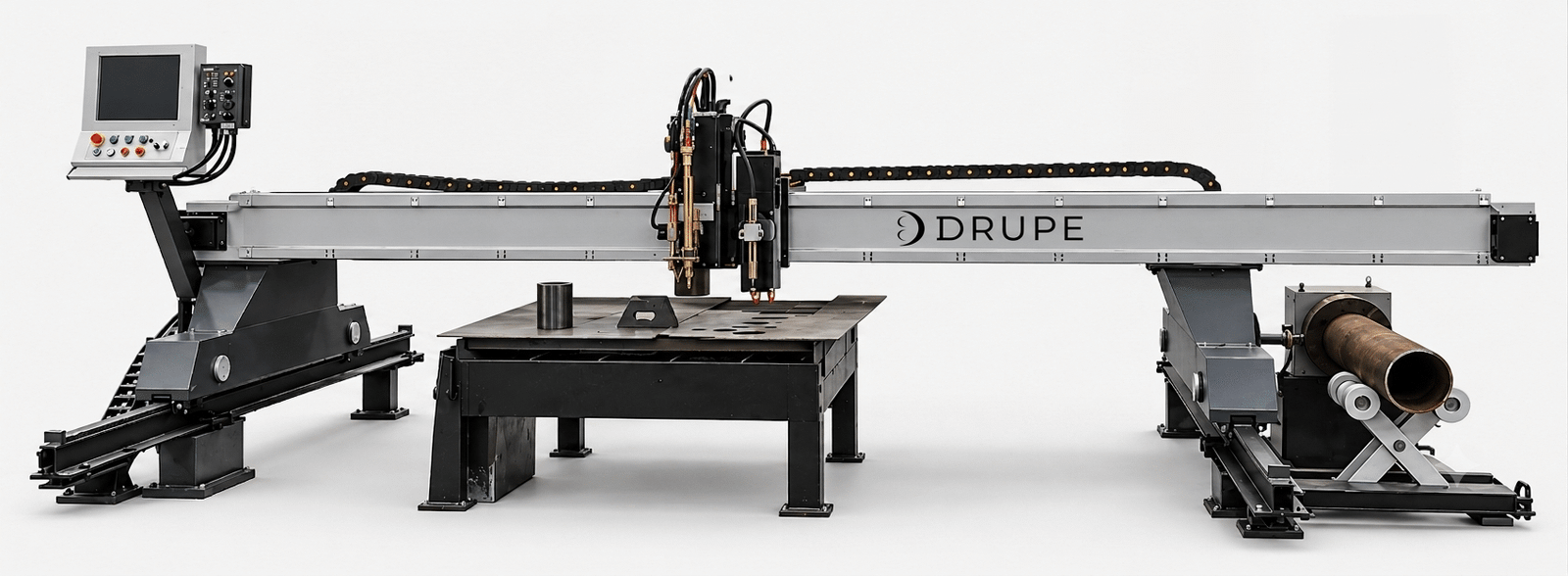
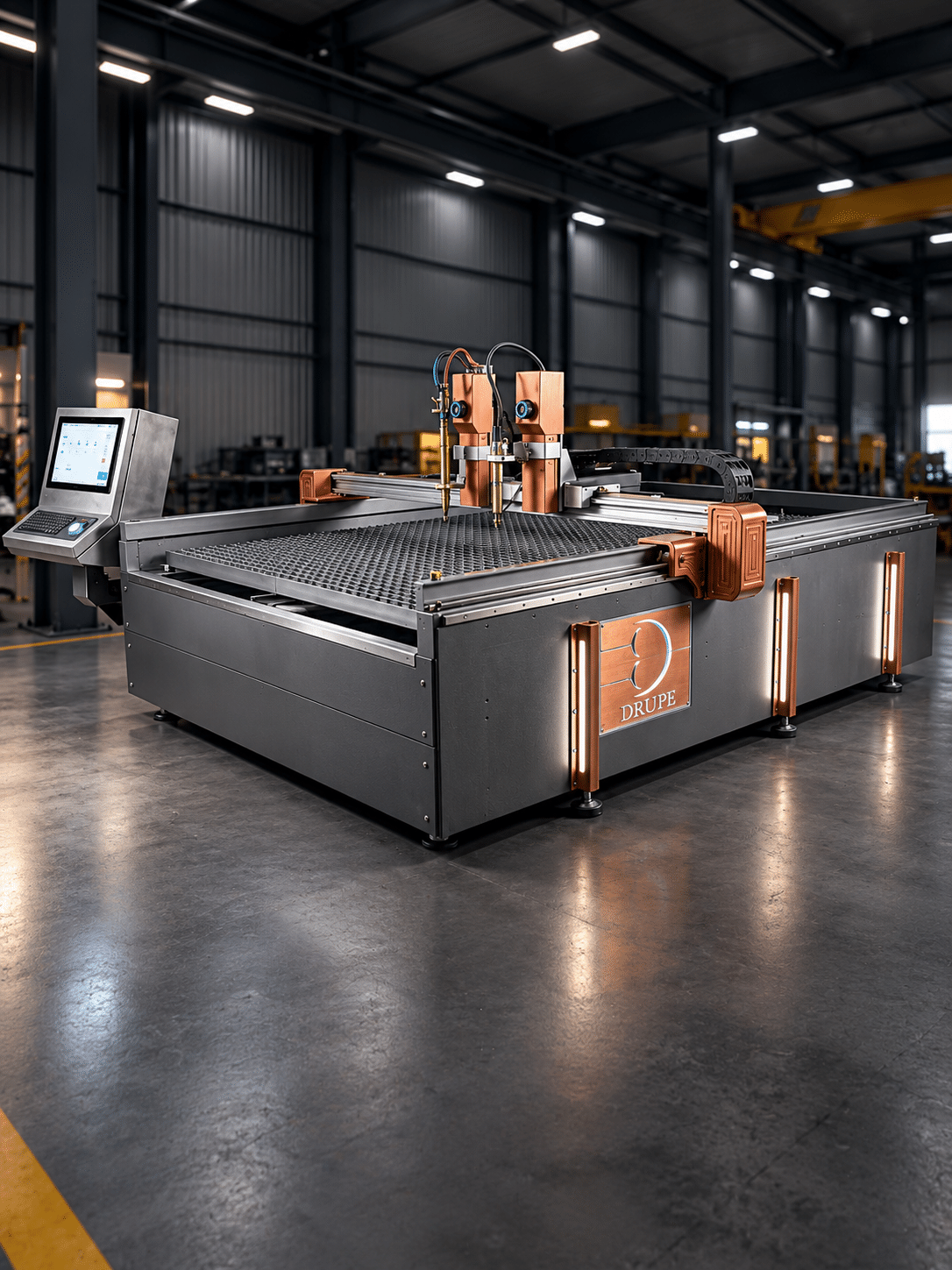
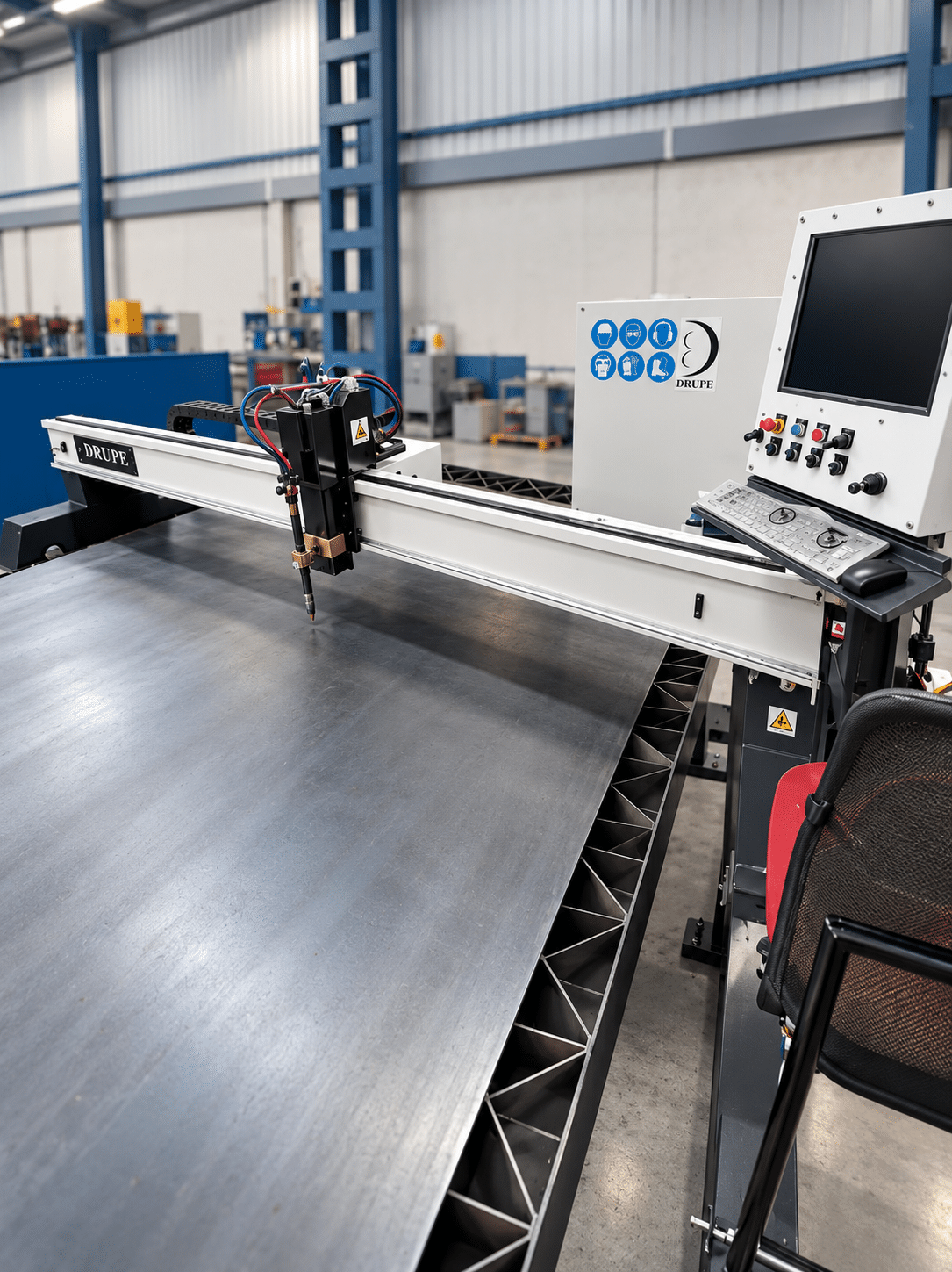
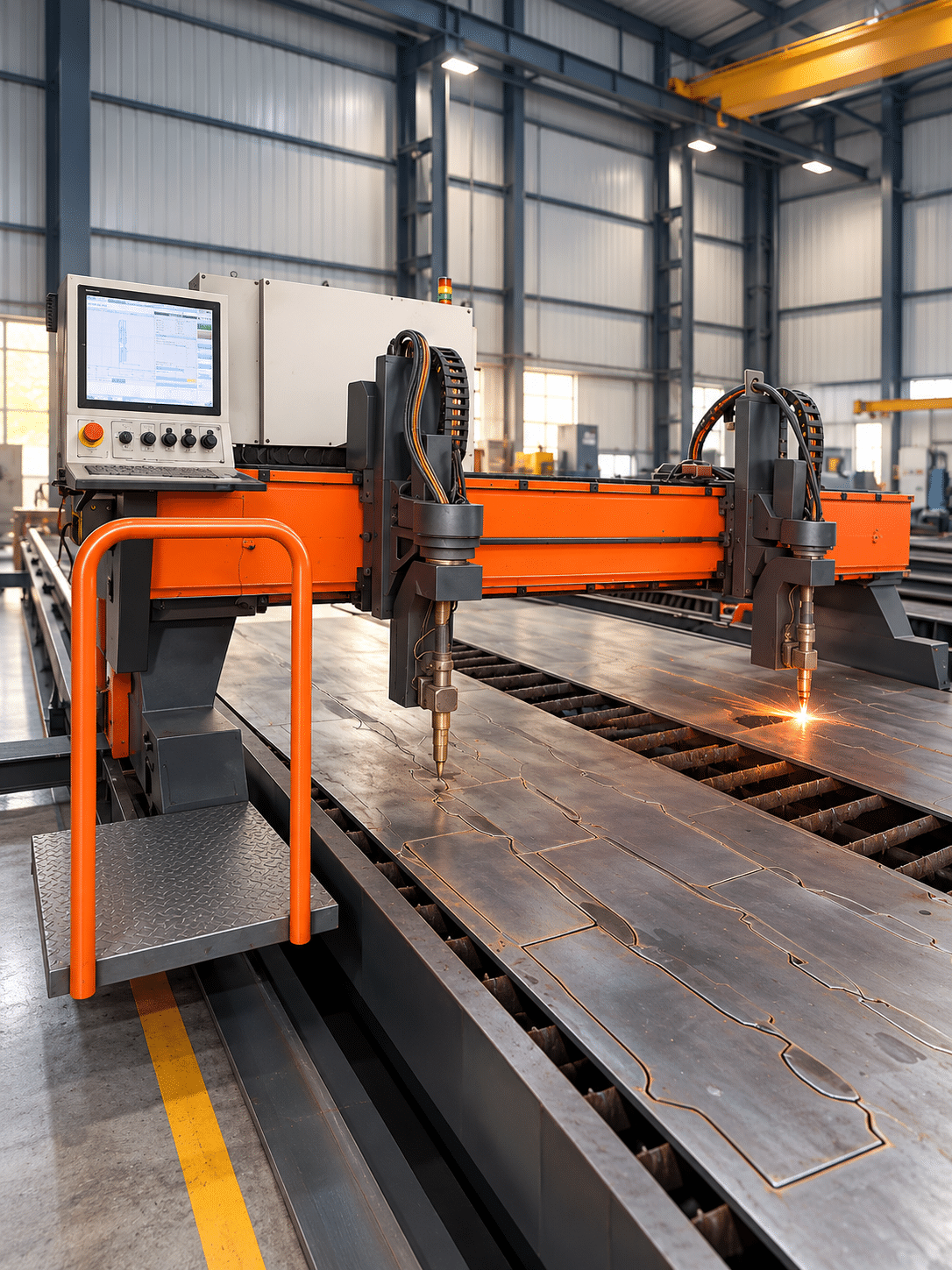
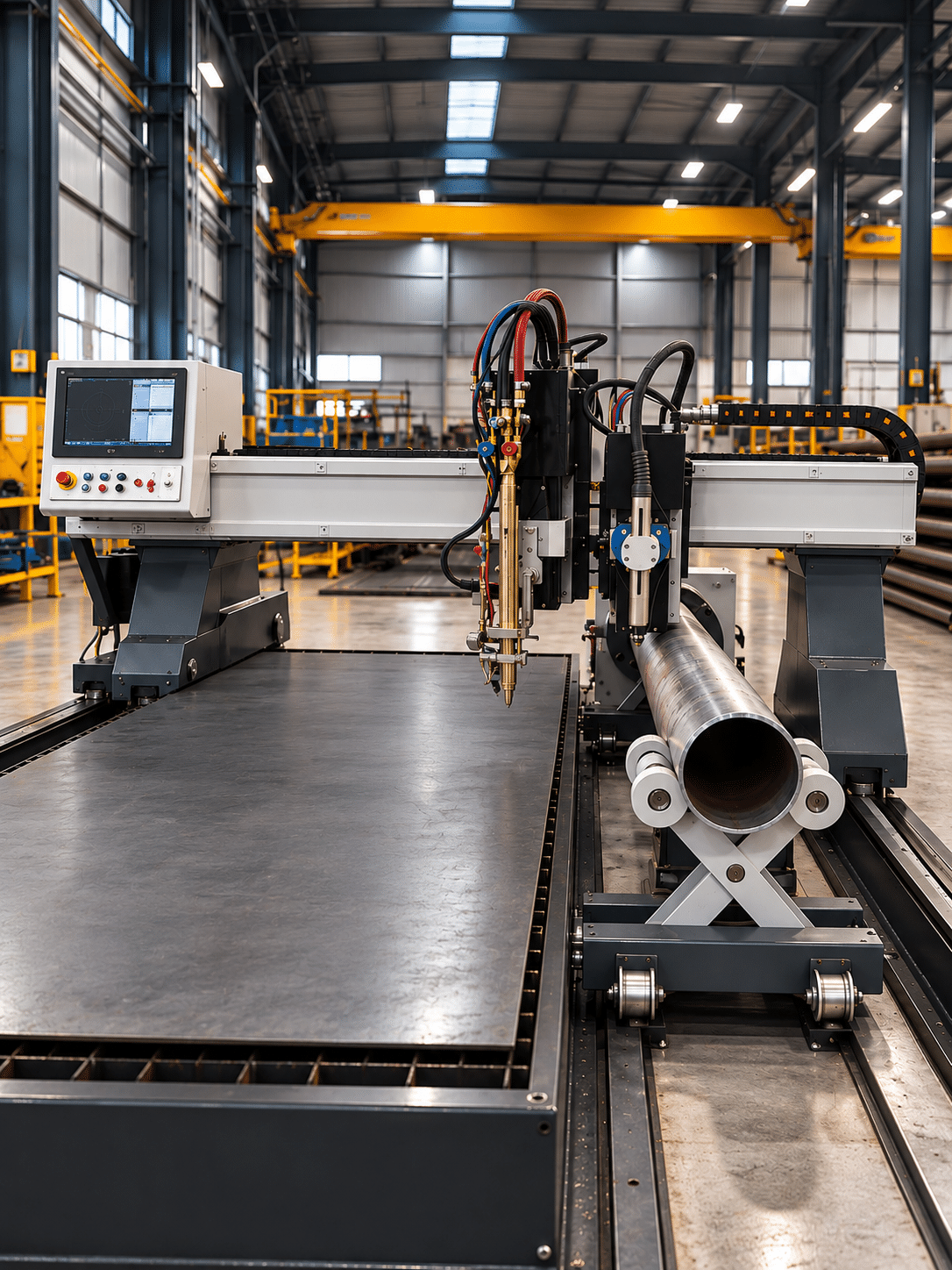
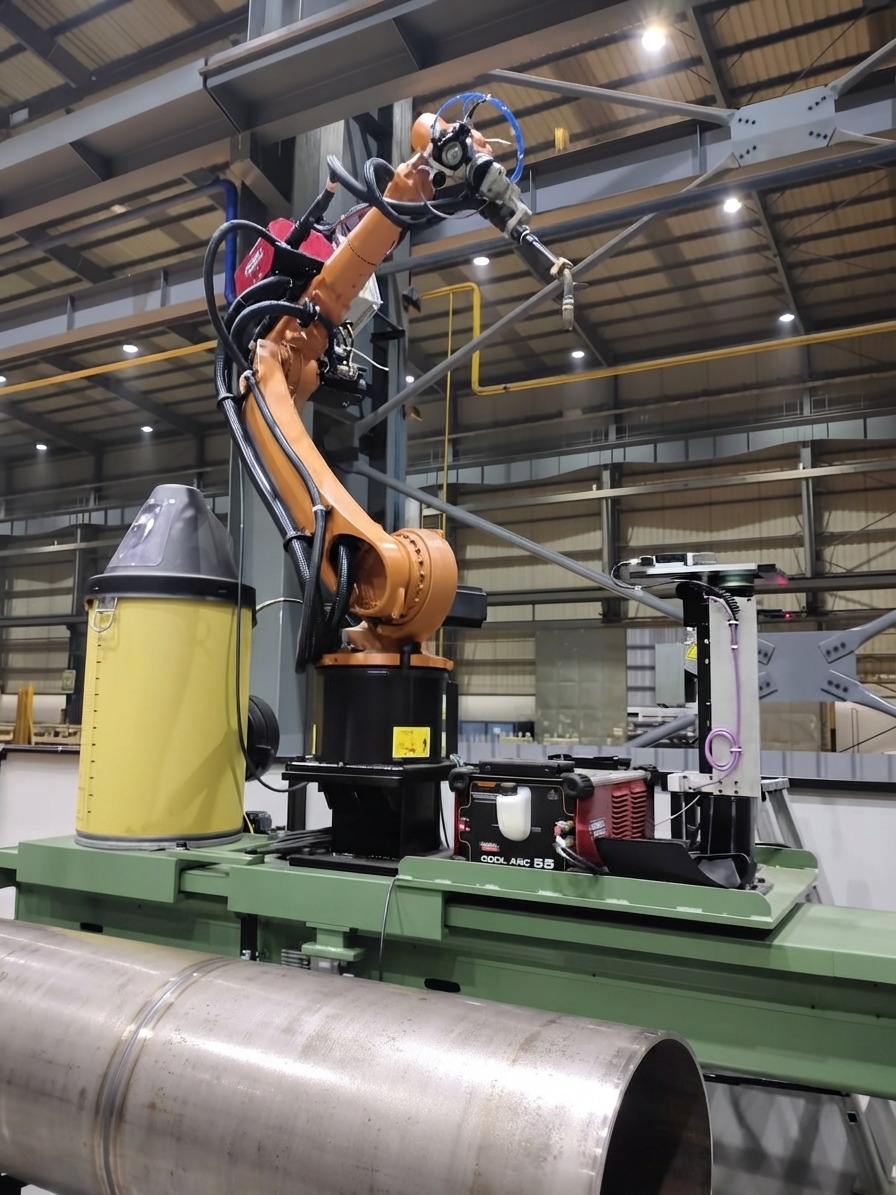
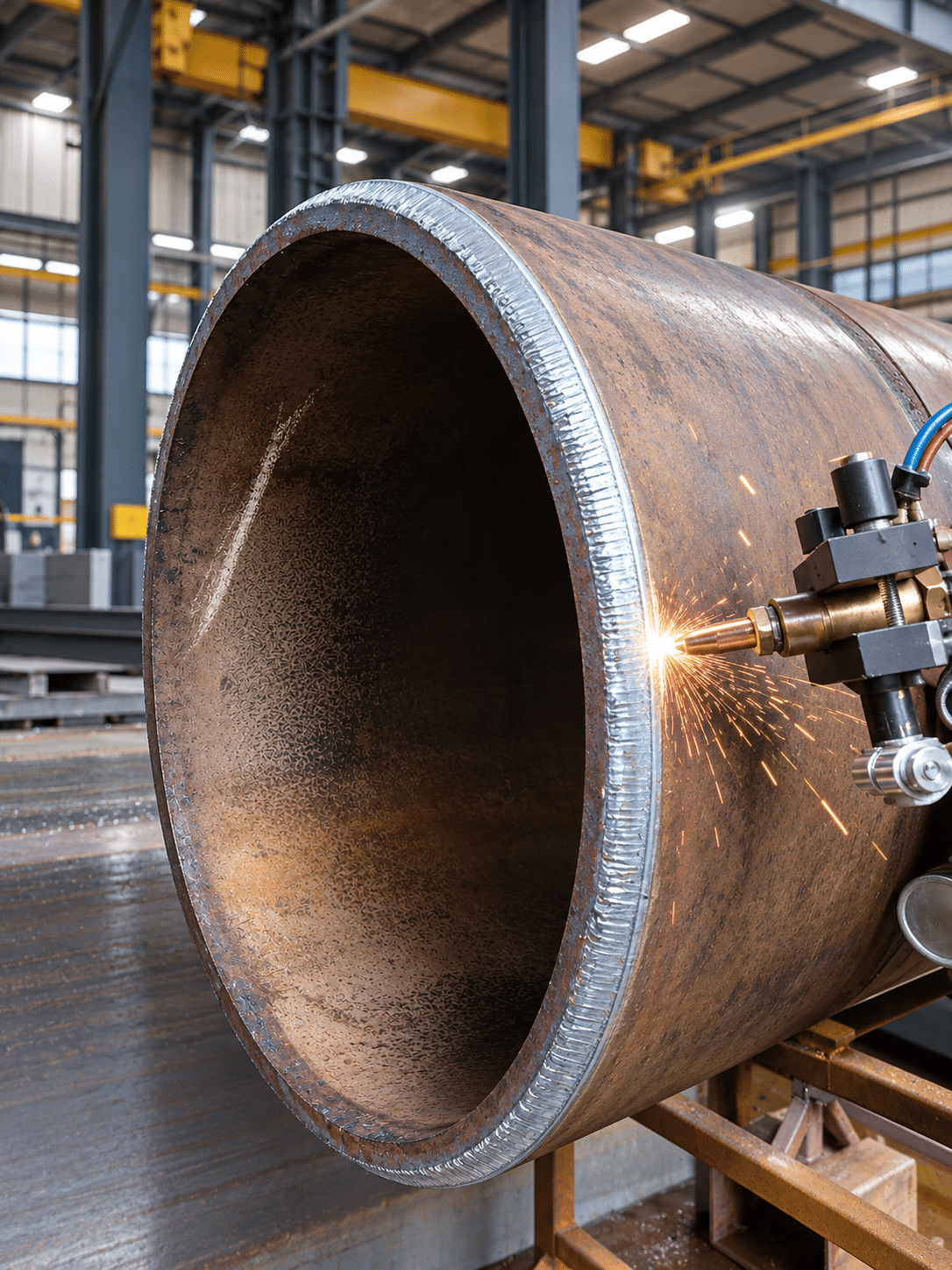








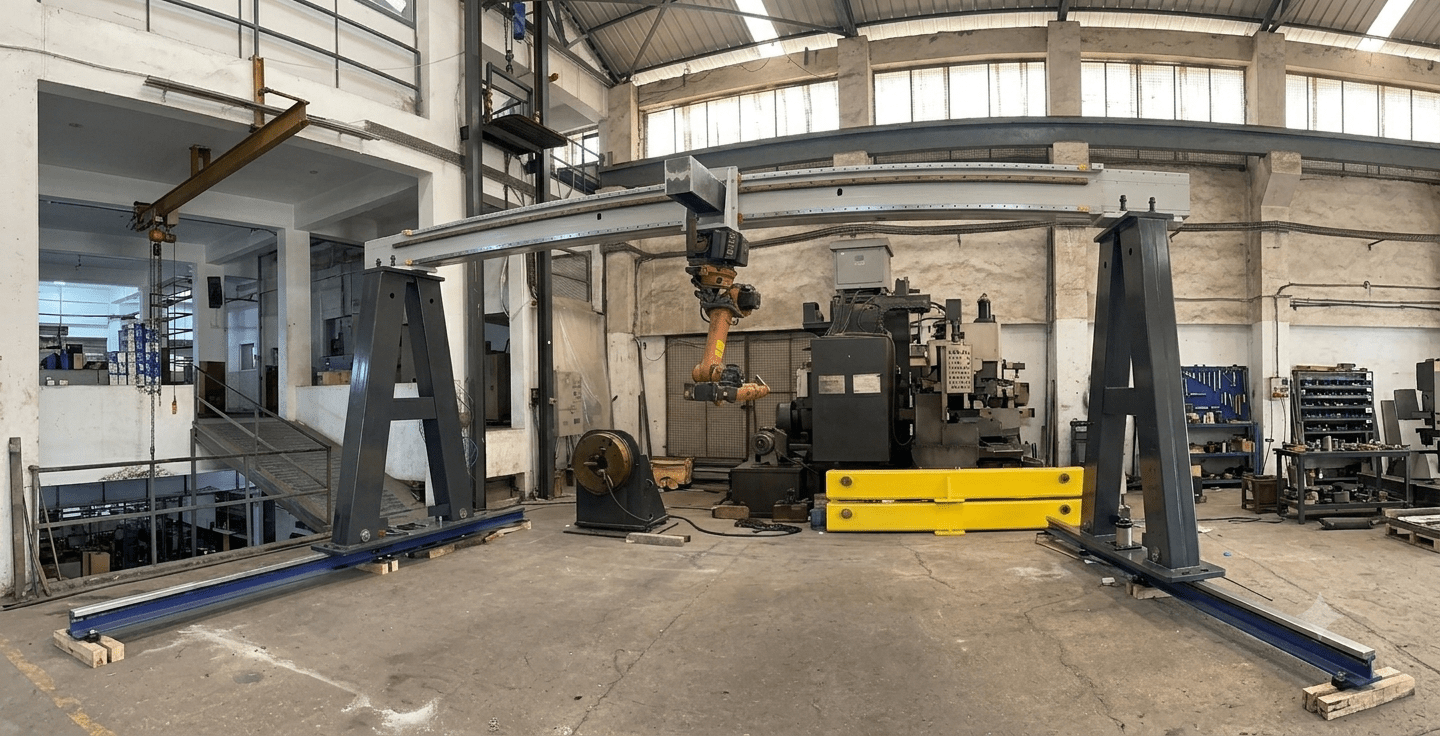
Structural work lives or dies on how parts arrive at fit-up. Profiling and weld preparation in the same programme means thick plate and long sections reach the welder square and prepared, without a grinding queue between operations.
– Gantry spans to 3000 x 12,000 mm, widths to 5000 mm
– Oxy-fuel and plasma on one bridge for mixed plate thickness
– V, X, Y and K preparations cut with the profile, not after it
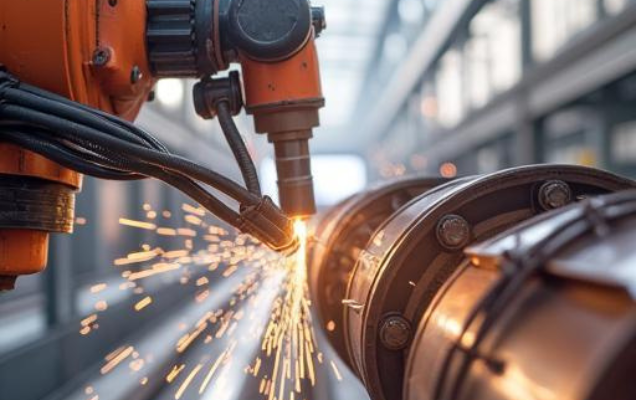
PEB is a volume business with thin margins, where the gain is in throughput and in how little handling a part needs between the plate and the shed. Straight profiling, fast, repeatably, with the nest doing the work.
– Rapid traverse 12,000 mm/min, configurable to 18,000 on the SET Series
– Automatic contour nesting with sheet scrap management
– Entry table machines from 1500 x 3000 mm for lighter gauge work
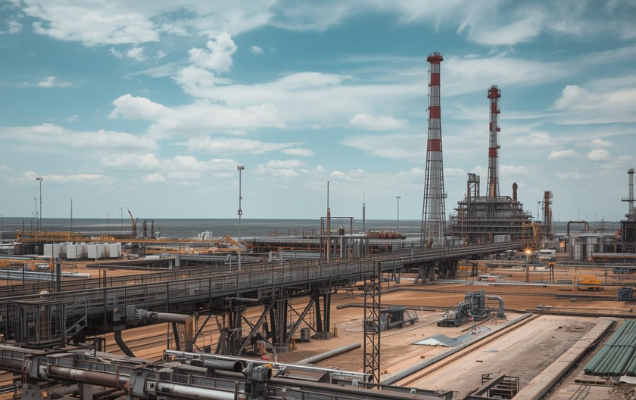
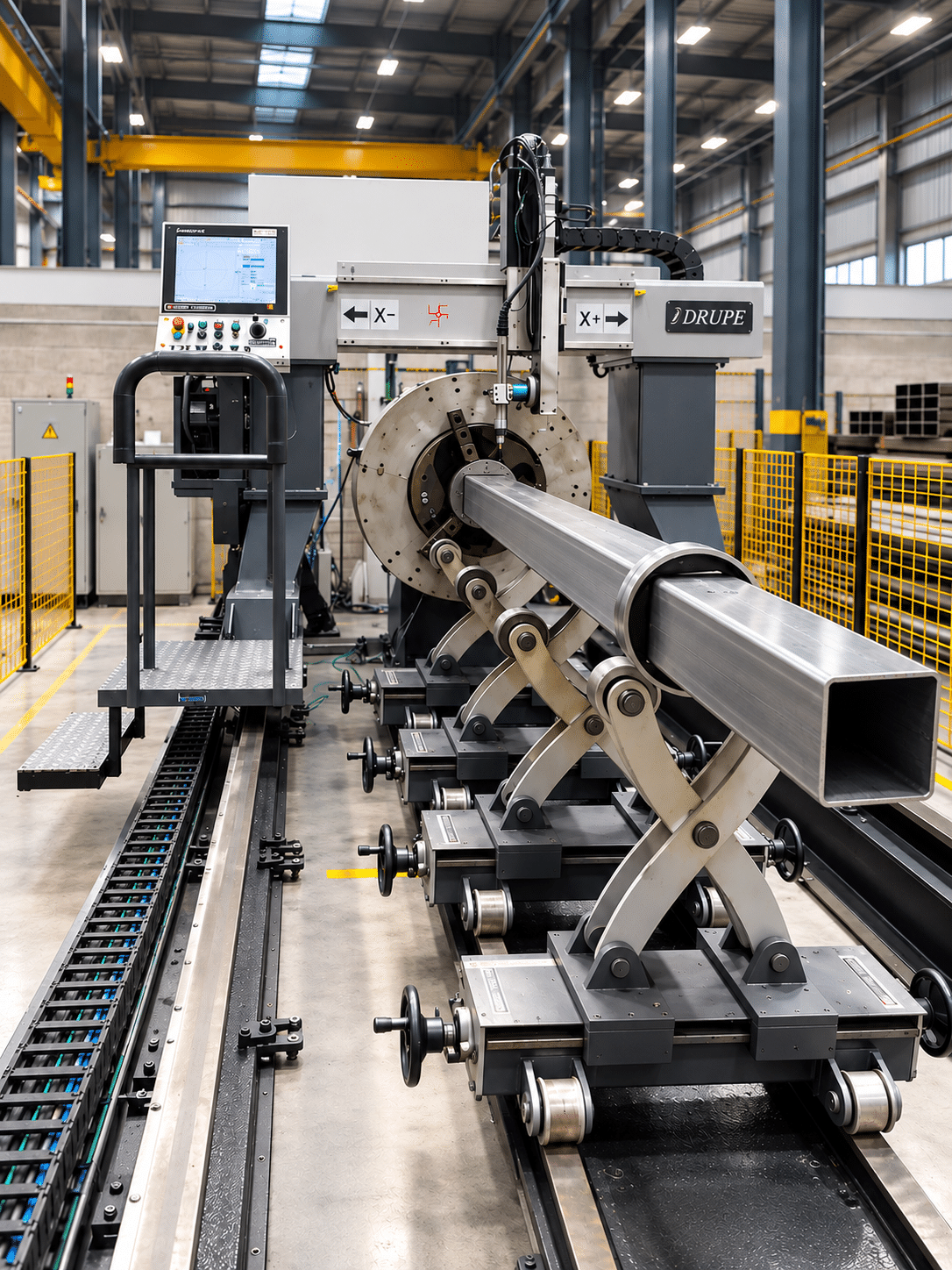
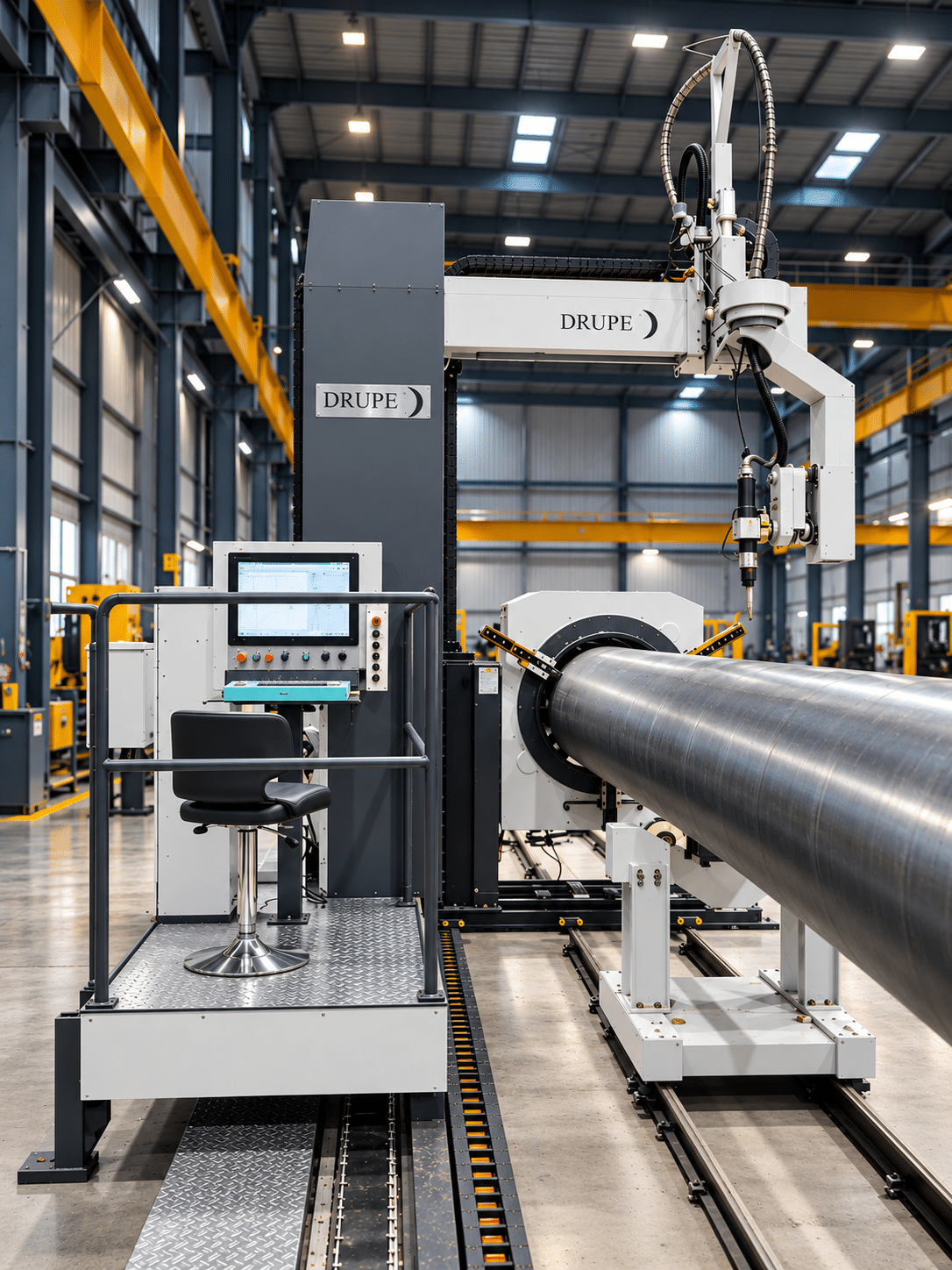
Process piping is dominated by branch connections, and every saddle cut by hand is a fit-up gap waiting to be filled with weld metal. Offline 3D profiling produces the intersection geometry from the model, so the saddle lands where the drawing says it does.
– Pipe from 6 to 72 inch diameter, 3 to 50 mm wall, up to 12 tons
– Saddles, holes, end cuts and bevels to 60 degrees in a single setup
– AlmaCAM and 3D pipe profiling, with powered automatic chuck holding
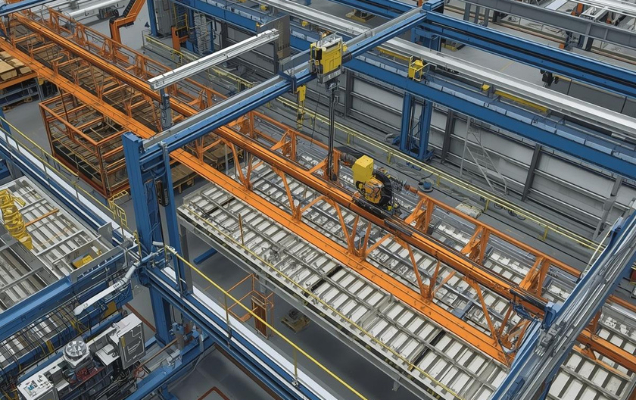
Vessel work is inspected work. Shell plate, heads and nozzle openings all have to carry a prepared edge that an inspector will accept, and a cut that can be traced back to the programme that produced it.
– Nozzle and manway openings cut with the bevel in the same cycle
– Full 3D machining of profiled material including torispherical heads
– Workpiece position detection and correction before the cut starts
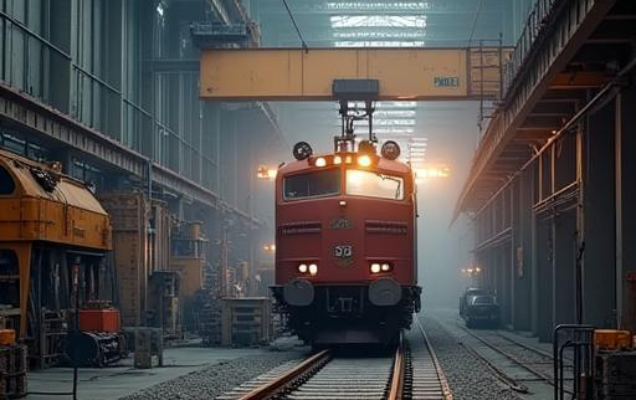
Wagon and coach building is repetition work. The cost sits in how consistently the thousandth part matches the first, which is a question about the control and the drive, not about the torch.
– Long-bed configurations to 12,000 mm for underframe and sidewall sections
– Dual-drive rack and pinion holding squareness across the full span
– Marking and labelling in the same programme, so parts reach assembly identified
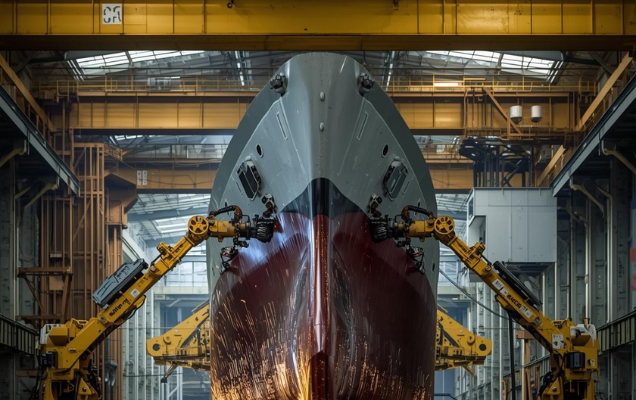
Hull blocks are large, heavy and awkward, and the parts that make them are cut in high volume with preparations that vary across a single plate. Material utilisation matters as much as speed.
– Plate to 3000 x 12,000 mm, nested from your DXF with remnant management
– Variable bevel angles across a single part for butt and fillet preparation
– Last position retained through a power failure, so a long cut resumes rather than restarts
Structural work lives or dies on how parts arrive at fit-up. Profiling and weld preparation in the same programme means thick plate and long sections reach the welder square and prepared, without a grinding queue between operations.
– Gantry spans to 3000 x 12,000 mm, widths to 5000 mm
– Oxy-fuel and plasma on one bridge for mixed plate thickness
– V, X, Y and K preparations cut with the profile, not after it
PEB is a volume business with thin margins, where the gain is in throughput and in how little handling a part needs between the plate and the shed. Straight profiling, fast, repeatably, with the nest doing the work.
– Rapid traverse 12,000 mm/min, configurable to 18,000 on the SET Series
– Automatic contour nesting with sheet scrap management
– Entry table machines from 1500 x 3000 mm for lighter gauge work
Process piping is dominated by branch connections, and every saddle cut by hand is a fit-up gap waiting to be filled with weld metal. Offline 3D profiling produces the intersection geometry from the model, so the saddle lands where the drawing says it does.
– Pipe from 6 to 72 inch diameter, 3 to 50 mm wall, up to 12 tons
– Saddles, holes, end cuts and bevels to 60 degrees in a single setup
– AlmaCAM and 3D pipe profiling, with powered automatic chuck holding
Vessel work is inspected work. Shell plate, heads and nozzle openings all have to carry a prepared edge that an inspector will accept, and a cut that can be traced back to the programme that produced it.
– Nozzle and manway openings cut with the bevel in the same cycle
– Full 3D machining of profiled material including torispherical heads
– Workpiece position detection and correction before the cut starts
Wagon and coach building is repetition work. The cost sits in how consistently the thousandth part matches the first, which is a question about the control and the drive, not about the torch.
– Long-bed configurations to 12,000 mm for underframe and sidewall sections
– Dual-drive rack and pinion holding squareness across the full span
– Marking and labelling in the same programme, so parts reach assembly identified
Hull blocks are large, heavy and awkward, and the parts that make them are cut in high volume with preparations that vary across a single plate. Material utilisation matters as much as speed.
– Plate to 3000 x 12,000 mm, nested from your DXF with remnant management
– Variable bevel angles across a single part for butt and fillet preparation
– Last position retained through a power failure, so a long cut resumes rather than restarts